How to Start an RV Park
How to Start an RV Park (Step-by-Step Guide)
If you’re researching how to start an RV park, you’re already on the right track. RV travel continues to grow, and well-planned parks can generate strong long-term revenue—especially when they’re built with the right layout, amenities, and guest experience in mind.
At EOB Consulting, we help landowners and entrepreneurs take an RV park idea from concept to reality through planning, design guidance, development strategy, and operational readiness. If you want hands-on help, explore our RV Park Consulting Services.
Step 1: Define Your RV Park Concept and Guest Experience
Before you buy land or start construction, get specific about what you’re building. RV parks can look very different depending on the audience you want to attract, such as:
-
Overnight travelers and road trippers
-
Long-term or seasonal guests
-
Families looking for amenities and activities
-
Upscale RV resort guests seeking premium features
Your concept influences everything—site selection, costs, permitting, infrastructure, and marketing.
Consider Expanding Beyond Traditional RV Sites
If you’re planning something beyond standard RV sites (like cabins, glamping, or mixed-use outdoor hospitality), explore Outdoor Hospitality Destinations.
Step 2: Research the Market and Choose a Profitable Location
Location can make or break an RV park. The best sites often have:
-
Easy access from highways and main roads
-
Nearby attractions (lakes, parks, trails, events, tourist towns)
-
Strong demand but limited quality competition
-
Enough space for future expansion
Evaluate Your Competition and Local Demand
Look at competing parks’ pricing, reviews, occupancy, and amenities. The goal is to find gaps you can fill and experiences you can improve.
Step 3: Create an RV Park Business Plan
A business plan helps you make smarter decisions—and it’s essential if you need financing. A strong RV park business plan should include:
-
Target customer and park type
-
Revenue model (nightly, weekly, monthly, memberships, add-ons)
-
Competitive analysis and positioning
-
Amenities and development phases
-
Startup budget + operating costs
-
Marketing and booking strategy
-
Financial projections
Get Expert Help With Feasibility and Planning
If you want guidance on planning and feasibility, start with RV Park Consulting Services to avoid costly missteps early.
Step 4: Understand Zoning, Permits, and Regulations
Permitting and zoning requirements vary widely by city, county, and state. Depending on the property, you may need approvals related to:
-
Zoning classification (commercial, recreational, mixed-use)
-
Septic or sewer requirements
-
Water system approvals
-
Electrical and fire safety standards
-
Stormwater management
-
Environmental reviews
Permitting Delays Are Common—Plan Ahead
This step often takes the longest, so build extra time into your development timeline and budget.
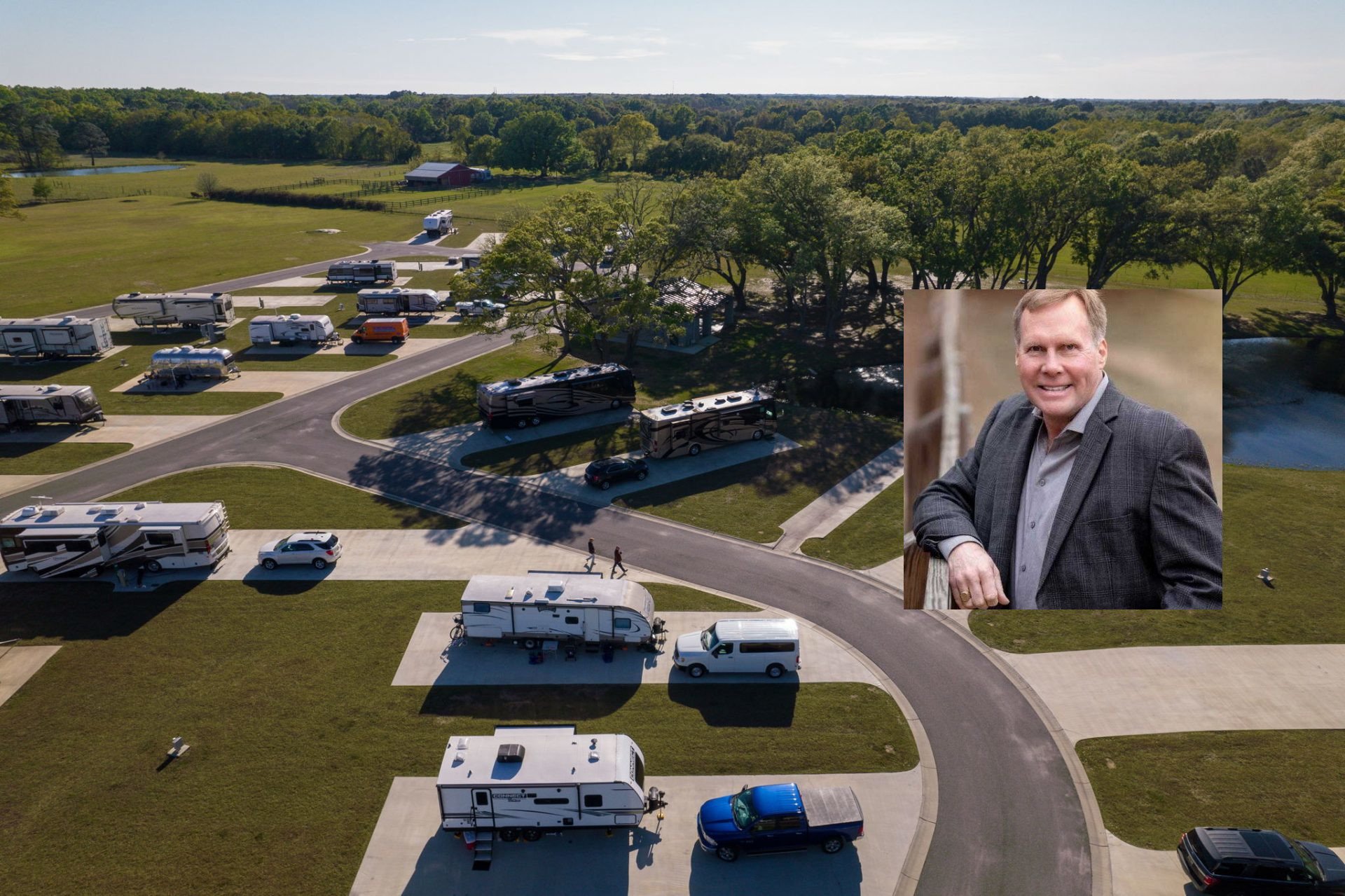
Step 5: Plan the RV Park Layout and Design
Design impacts both guest satisfaction and long-term revenue. A thoughtful layout should support:
-
Smooth traffic flow for large rigs
-
Easy access to hookups
-
Comfortable spacing and privacy
-
Premium sites (pull-throughs, views, patios)
-
Strong placement of amenities and common areas
Work With RV Park Design Experts
If you want your park designed for maximum usability and guest experience, explore RV Park Design.
Step 6: Develop Infrastructure and Build the RV Park
Once the plan is approved, the build begins. Most RV park construction budgets include:
-
Site clearing and grading
-
Roads, entrances, and signage
-
RV pads and site surfaces
-
Water, sewer/septic, electric, and internet
-
Bathhouse, laundry, office/store (if applicable)
-
Recreation areas, dog parks, playgrounds, etc.
Control Costs With Smart Construction Planning
Construction is where budgets can expand quickly. A clear scope, phased approach, and experienced contractors help protect ROI.
Step 7: Set Up RV Park Operations and Systems
Before opening, you’ll want operational systems in place for a smooth guest experience, including:
-
Reservation and booking software
-
Pricing structure and seasonal rates
-
Park rules and check-in/check-out processes
-
Maintenance schedule and vendor contacts
-
Safety, lighting, and security planning
Learn From Proven RV Park Development Steps
For more insights into building and operating successfully, you may also like Step by Step.
Step 8: Market Your RV Park Before You Open
Marketing should start before your grand opening. This helps you generate bookings early and build visibility fast.
Key pre-launch steps include:
-
Build a website with clear photos, amenities, and pricing
-
Create your Google Business Profile
-
Start social media content (construction updates work great)
-
List your park on major campground directories
-
Collect emails and offer early-booking promotions
Build Demand Early to Launch Strong
Pre-opening marketing helps ensure you don’t open to empty sites—and helps you earn reviews faster.
Step 9: Hire Staff (or Build a Strong Owner-Operator Plan)
Even smaller parks need consistent coverage and guest support. Depending on your size, you may need:
-
Front desk / guest services
-
Grounds and maintenance support
-
Cleaning crews (especially with bathhouses)
-
After-hours support plans
Your Staff Impacts Reviews and Repeat Stays
A clean park and friendly check-in process often matter more than expensive amenities.
Step 10: Open Your RV Park and Improve Over Time
Once you’re open, focus on:
-
Guest reviews and feedback
-
Improving your systems and site experience
-
Increasing occupancy in shoulder seasons
-
Adding premium upgrades that raise nightly rates
Improve Revenue With Premium Sites and Add-Ons
Small upgrades like patios, fire pits, better Wi-Fi, and upgraded landscaping can support higher nightly rates.
How EOB Consulting Helps You Start an RV Park
Starting an RV park is a major investment—and expert guidance can help you avoid expensive mistakes.
EOB Consulting supports RV park projects through:
-
Business planning and feasibility support
-
Layout and design guidance
-
Development strategy and project direction
-
Operational planning and readiness
Talk to an RV Park Consultant
To get started, visit RV Park Consulting Services or reach out through our Contact form.
Frequently Asked Questions About Starting an RV Park
How much does it cost to start an RV park?
Startup costs vary widely depending on land conditions, number of sites, utility access, and amenities. Smaller parks may start in the low hundreds of thousands, while larger resorts can reach millions.
How many acres do you need for an RV park?
Many RV parks range from 5–30+ acres depending on site count, spacing, amenities, and expansion plans.
Is owning an RV park profitable?
Yes—RV parks can be profitable with the right location, occupancy, pricing strategy, and cost controls. Premium sites and add-ons can significantly increase revenue.
Do RV parks require permits?
Yes. Most RV parks require zoning approval and permits related to utilities, septic/sewer, environmental compliance, and safety requirements.
What amenities do RV park guests want most?
Top amenities include:
-
Full hookups (30/50 amp + water + sewer)
-
Reliable Wi-Fi
-
Clean bathhouses and laundry
-
Dog park
-
Pull-through sites
-
Picnic tables, patios, and fire pits
Should I build a campground, RV park, or RV resort?
That depends on your market, land, and budget. If you want to explore more options in outdoor hospitality, visit Outdoor Hospitality Destinations.
Can EOB Consulting help me start an RV park?
Yes. EOB Consulting provides guidance for RV park planning, feasibility, design, and development strategy. Start here: RV Park Consulting Services or Contact.
Ready to Start Your RV Park?
Starting an RV park is a big step—but with the right plan, it can become a high-performing outdoor hospitality business.
Explore RV Park Consulting Services or fill out the form below to talk through your project.
WANT TO BUILD A SUCCESSFUL RV PARK?Visit these pages.
• How to Start an RV Park
• RV Park Consulting
• RV Park Design
Get In Touch
Ed O. Bridgman MBA, PMP
Lean Six Sigma Master Black Belt
10550 Pioneer Rd.
Theodore, AL 36582
512-785-1379 (direct)
251-367-2409 (secondary #)
Schedule a Zoom Call with Ed O Bridgman